
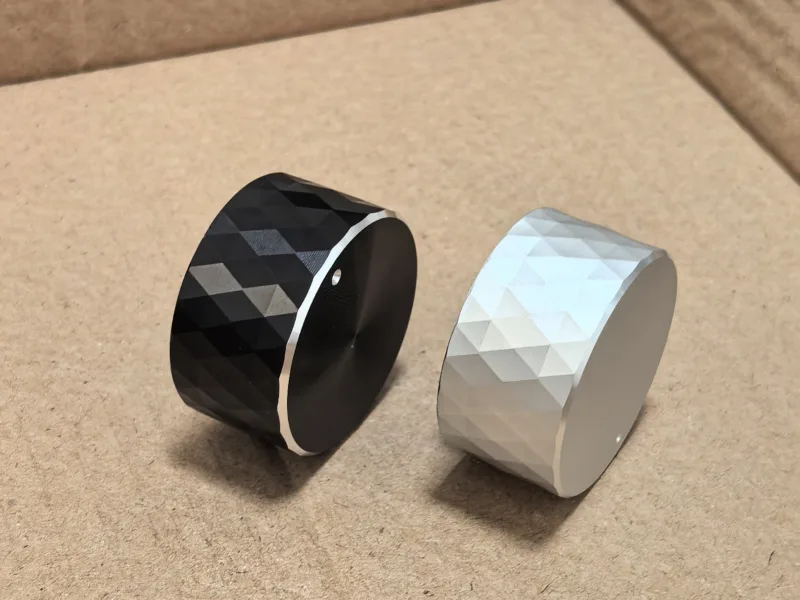
A custom appliance knob quotation depends on more than the outside shape of the part. The supplier needs enough information to understand how the knob fits the appliance, how it should look, how it will be approved and what quantity the project requires.
An incomplete request may still receive a preliminary response, but important assumptions can change the quoted material, tooling route, finishing process or commercial terms later. A drawing or reference sample, combined with the mating-shaft information and estimated quantity, gives both sides a clearer starting point.
Quick answer: What should you send for a custom appliance knob quotation?
Send the appliance application, a dimensioned drawing or reference sample, the mating-shaft details, required knob dimensions, material and finish preference, indicator or logo requirements, estimated order quantity, packaging needs and target schedule. Also identify any inspection, testing or documentation requirements that must be included in the project review.
If some details are not decided, mark them as open questions instead of guessing. The supplier can then explain which decisions are required before a firm quotation or sample plan is prepared.
Start with the appliance and control function
State where the knob will be used and what it controls. Examples include a gas-stove burner, oven temperature, cooking mode or timer. This context helps the supplier understand the front-panel layout, indicator requirement and the type of shaft information needed.
Useful application information includes:
- Appliance type and model or project reference
- Control function
- Front-panel orientation and available clearance
- Required OFF position and direction of the indicator
- Whether an existing knob is being replaced or a new design is being developed
The application description does not replace mechanical information, but it prevents a quotation from being based on the wrong use case.
Provide a drawing, sample or both
A dimensioned 2D or 3D drawing is the clearest way to communicate the intended geometry. Mark the dimensions and tolerances that affect assembly, panel clearance and appearance. If the design is based on an existing part, a physical sample and measured photographs can help the supplier compare the visible and internal features.
For a drawing-based review, include:
- Overall diameter and height
- Internal bore or insert dimensions
- Insertion depth
- Critical wall thicknesses and clearances
- Indicator, icon, logo or printing position
- Cosmetic surfaces and appearance requirements
- Tolerances that are important to fit or function
If no final drawing exists, explain which dimensions are fixed and which can be adjusted. This separates true requirements from preferences and reduces unnecessary redesign.
Define the mating-shaft interface
The shaft interface is one of the most important inputs in an appliance knob RFQ. A front-view image cannot show whether the knob will fit the valve or control component underneath the panel.
Provide a shaft drawing or a mating sample with the following information where applicable:
- Shaft profile, such as D-shaped, round, splined or another geometry
- Cross-section dimensions
- Available shaft length
- Required knob insertion depth
- Retention or fixing concept
- Orientation of the flat or reference feature
- Indicator position when the control is OFF
Do not describe a shaft as “standard” or “universal” without dimensions. Small differences in bore geometry, insertion depth or orientation can affect assembly and indicator alignment. See Gas Stove Knob Shaft Interfaces for a more detailed specification checklist.
Confirm the material direction
The material affects the production route, visible design and finish options. GHKnob reviews projects using zinc alloy, aluminum alloy and selected plastic materials, subject to the actual drawing and application requirements.
If the material is already specified, identify the required material and grade where known. If it is still open, explain the priorities behind the choice, such as:
- Requested metal or plastic appearance
- Geometry and construction
- Finish or color target
- Weight preference
- Application conditions supplied by the appliance manufacturer
- Target cost and expected quantity
The supplier should compare material routes against the same drawing and requirements. A broad claim that one material is always better or cheaper is not enough for a project decision. Buyers comparing metal routes can also read Zinc Alloy vs Aluminum Alloy Knobs.
Specify the surface finish and visible standard
Terms such as silver, black, matte or metallic can describe many different appearances. For a more useful quotation, provide the base material and a physical reference, approved color code, finish sample or clear visual standard.
Include these details where relevant:
- Requested process, such as painting, electroplating or anodizing
- Color reference and gloss level
- Brushed, polished or textured appearance
- Areas that must remain free of coating
- Indicator, printing, icon or logo method
- Cosmetic acceptance requirements
- Known cleaning or use conditions that affect the approval plan
The available finish must be reviewed against the selected material and part design. Read Surface Treatments for Gas Stove and Oven Knobs for the main information to confirm before approval.
Explain markings, indicators and branding
An indicator line or icon is part of the functional interface between the knob and appliance panel. Include the position, direction, size, color and production method in the quotation package. If the part carries a logo or model identification, provide artwork and identify the cosmetic face.
Marking requirements can affect the design review and finishing sequence, so they should not be added only after the base part has been quoted.
State the estimated quantity
Estimated quantity helps the supplier review the suitable production route and commercial basis. Provide the expected order quantity and, if available, the annual forecast or expected repeat-order pattern.
If the volume is not decided, give a realistic range and label it as an estimate. Do not assume that one MOQ, tooling cost or unit price applies to every knob. These terms depend on the configuration, production route and project requirements and should be confirmed in the quotation.
Identify whether tooling or an existing model is preferred
A project may start from an existing model, a modified configuration or a new design. Tell the supplier whether the priority is to review available models or to follow a defined drawing.
For a tooling discussion, include the drawing status, expected changes, approval process and any project-specific requirements concerning drawing control, sample approval or tooling terms. Tooling ownership, changes and payment terms must be confirmed for the individual project; they should not be assumed from a general website statement.
See Custom Appliance Knob Manufacturing for the requirement-review stages used for drawing- and sample-based projects.
List quality, testing and documentation requirements
If the appliance program has defined inspection or documentation requirements, include them before quotation. Examples may cover dimensional records, shaft-fit checks, cosmetic criteria, approved samples, packaging inspection or other customer-defined checks.
Only request standards and reports that apply to the selected material, finish and end product. Certification, test methods and acceptance levels must be confirmed against the actual project rather than copied from a different model.
Include packaging and schedule requirements
Packaging can affect the quotation when a surface needs separation or protection, when labels are required or when the customer has a defined packing format. State the requested unit packing, inner and outer carton requirements, labels and any handling concerns.
Also provide the target date for sample review and production need. The supplier can then assess the schedule after the drawing, process and approval requirements are understood. Do not treat a general website lead time as a commitment for a custom project.
Custom appliance knob RFQ checklist
Before sending the request, check that it includes:
- Appliance type and control function
- Project reference or model
- Dimensioned drawing or reference sample
- Mating-shaft drawing and orientation
- Overall dimensions, clearances and critical tolerances
- Material or material-selection priorities
- Surface finish and color reference
- Indicator, icon, logo or printing artwork
- Estimated order quantity and forecast, if available
- Inspection, testing and documentation requirements
- Packaging requirements
- Target sample and production schedule
- Contact person for technical questions
If information is missing, identify it as undecided. A clear list of open points is more useful than an assumed specification.
Request a project-specific quotation
Use the GHKnob contact page to send the available drawing, sample photographs, shaft information, material and finish requirements, estimated quantity and target schedule. The quotation basis, sample or tooling route and project terms can then be reviewed against the actual requirement.
For material-based starting points, browse zinc alloy appliance knobs, aluminum appliance knobs and plastic appliance knobs.
Technical review checklist before publication
- Confirm that the
/custom-knob-manufacturing/page is live before retaining that link. - Confirm that the two related article URLs are live; otherwise add those links after publication.
- Confirm the supported materials and finish processes named in the article.
- Confirm that the RFQ form accepts the drawing or image formats referenced by the live form.
- Do not add MOQ, price, tooling ownership, sample timing, production lead time, certification or test claims without project-specific approval.